August 5, 2026
Your roof plays a major role in protecting your home from the elements, preserving indoor comfort, and supporting the structural integrity of the property. When problems develop, it is not always obvious whether a repair will solve the issue or if a full replacement is the better investment. Many homeowners notice missing shingles or a leak but are unsure how extensive the underlying damage may be.
A roof experiences constant exposure to wind, rain, sunlight, changing temperatures, and seasonal weather conditions throughout the year. Over time, even a well-installed roofing system can develop signs of wear that require professional attention. Because some forms of damage are hidden beneath the surface, homeowners often benefit from scheduling a thorough inspection before deciding how to move forward.
A professional roofing contractor performs a thorough evaluation before recommending any course of action. Rather than relying on appearance alone, the inspection considers the roof's age, condition, materials, and overall performance. This detailed approach helps homeowners make informed decisions while avoiding unnecessary expenses or delayed repairs that could lead to more significant damage.
Assessing the Roof's Overall Condition
Inspecting Visible Exterior Damage
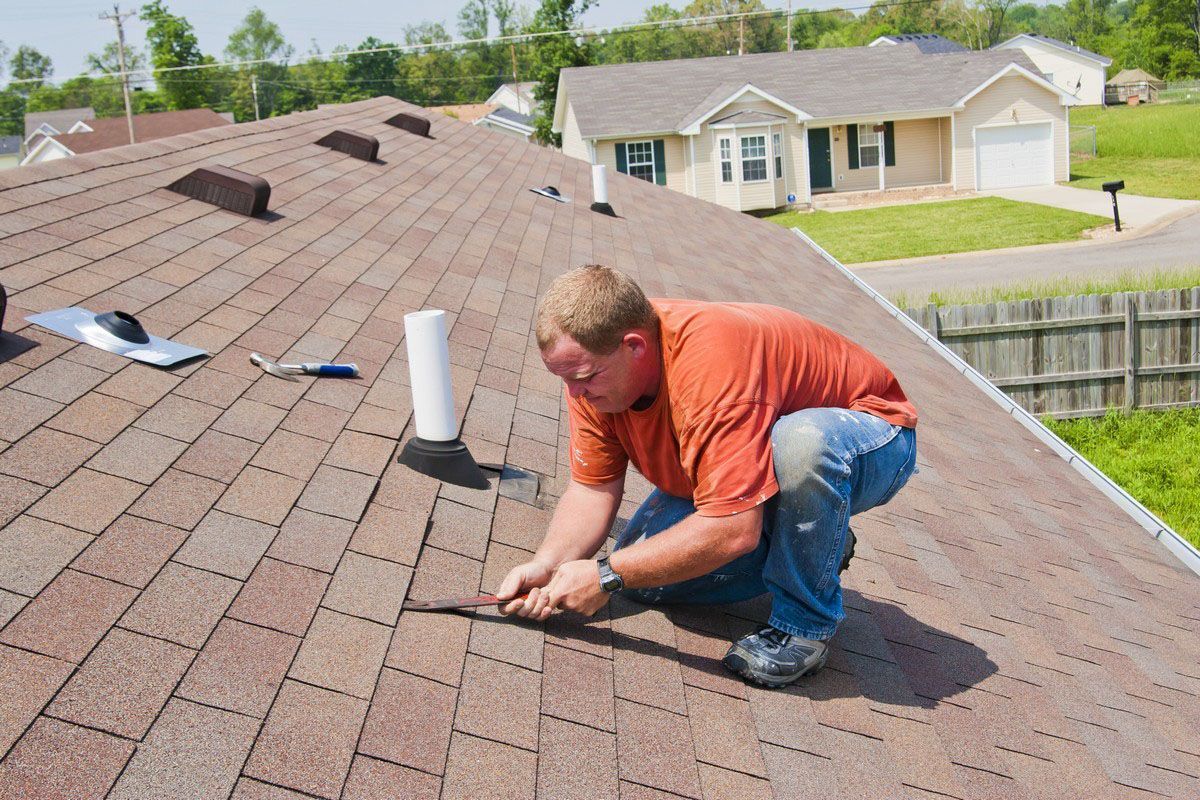
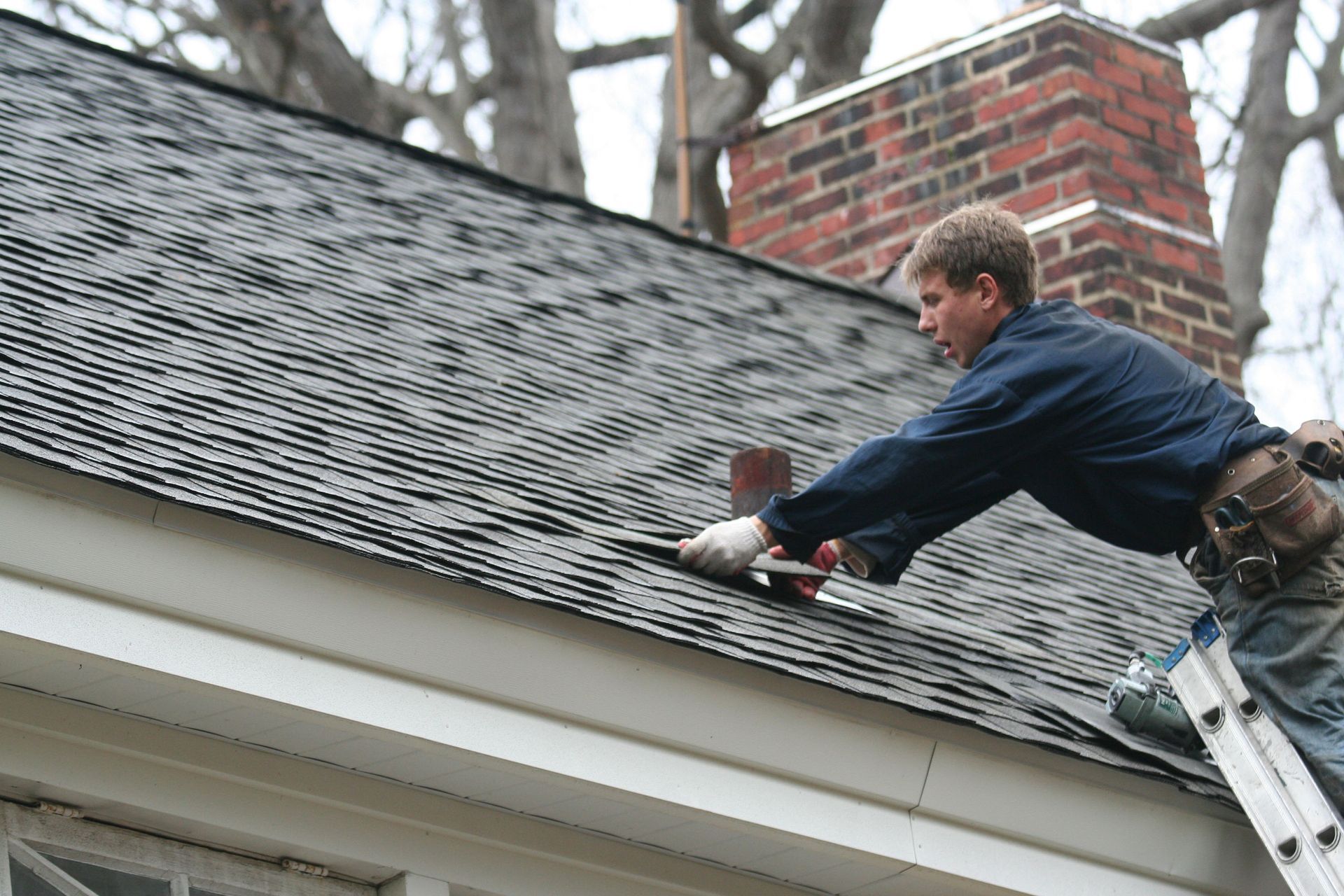
The evaluation typically begins with a careful inspection of the roof's exterior. A roofing contractor looks for missing, cracked, curled, or broken shingles, damaged flashing, deteriorated sealants, and signs of wear around vents, chimneys, skylights, and valleys. These components work together to keep water outside the home, so even relatively small issues deserve attention before they become larger problems.
The inspection also includes examining roof edges, ridge caps, and transitions where different roofing materials meet. These locations often experience increased stress from weather exposure and may show signs of deterioration before the rest of the roof. Identifying vulnerable areas early allows repairs to be completed before moisture penetrates deeper into the roofing system.
Inspectors also check for granule loss, exposed fasteners, and areas where roofing materials may have shifted over time. Wind, rain, hail, and prolonged sun exposure gradually weaken roofing systems, making these visual clues valuable indicators of the roof's current condition. Identifying these concerns early often allows for more cost-effective repairs.
Looking for Interior Signs of Roofing Problems
A complete roof evaluation from a roofing contractor extends beyond what is visible from outside the home. Water stains on ceilings or walls, peeling paint near the roofline, mold growth, damp insulation, or musty odors inside the attic can all point to roofing issues. These interior symptoms often reveal moisture intrusion that may not yet be obvious on the roof's surface.
The inspection also focuses on whether moisture has spread beyond the original leak location. Water can travel along framing members before becoming visible inside the home, making it important to trace leaks back to their source. This helps ensure repairs address the underlying problem rather than simply treating the visible symptoms.
Inspectors also examine attic ventilation and look for daylight entering through the roof deck. Excess heat and moisture trapped inside the attic can shorten the lifespan of roofing materials while contributing to wood deterioration. Evaluating both the exterior and interior provides a more accurate picture of the roof's overall health.
Determining Whether Repair Is Still Practical
Evaluating the Roof's Age and Damage Severity
The age of the roof is one of the most important factors when deciding between repair and replacement. According to Today's Homeowner, repairing a roof is usually the preferred option when it is less than 15 years old, and the damage remains relatively minor. This guideline helps homeowners avoid replacing roofing systems that still have substantial service life remaining.
While age provides useful context, roofing materials also wear differently depending on local weather conditions, maintenance history, and installation quality. A roof that has received routine inspections and timely repairs may remain in excellent condition longer than one that has been neglected, even if both were installed around the same time.
Even so, age alone does not determine the recommendation. A roofing contractor considers how well the roof has been maintained, whether previous repairs have been successful, and if the damage is isolated or widespread. A newer roof with localized storm damage may only require limited repairs, while an older roof experiencing repeated leaks may no longer be a practical candidate for patchwork solutions.
Checking Structural Stability
Roofing professionals also evaluate the structural components supporting the roofing system. A sagging roofline, soft decking, rotted wood, or weakened framing may indicate that moisture has penetrated beneath the roofing materials for an extended period. These issues often require more extensive work than simply replacing shingles.
Inspectors pay close attention to the condition of the roof deck because it serves as the foundation for the entire roofing system. If the decking has become soft or unstable due to prolonged moisture exposure, it must often be repaired or replaced before new roofing materials can be installed safely and effectively.
The inspection includes checking the roof deck for signs of deterioration that could compromise the installation of new materials. If the underlying structure remains solid, repairs may restore the roof effectively. However, widespread structural damage generally makes replacement the safer and longer-lasting solution.
Recommending the Best Long-Term Solution
Comparing Repair and Replacement Benefits
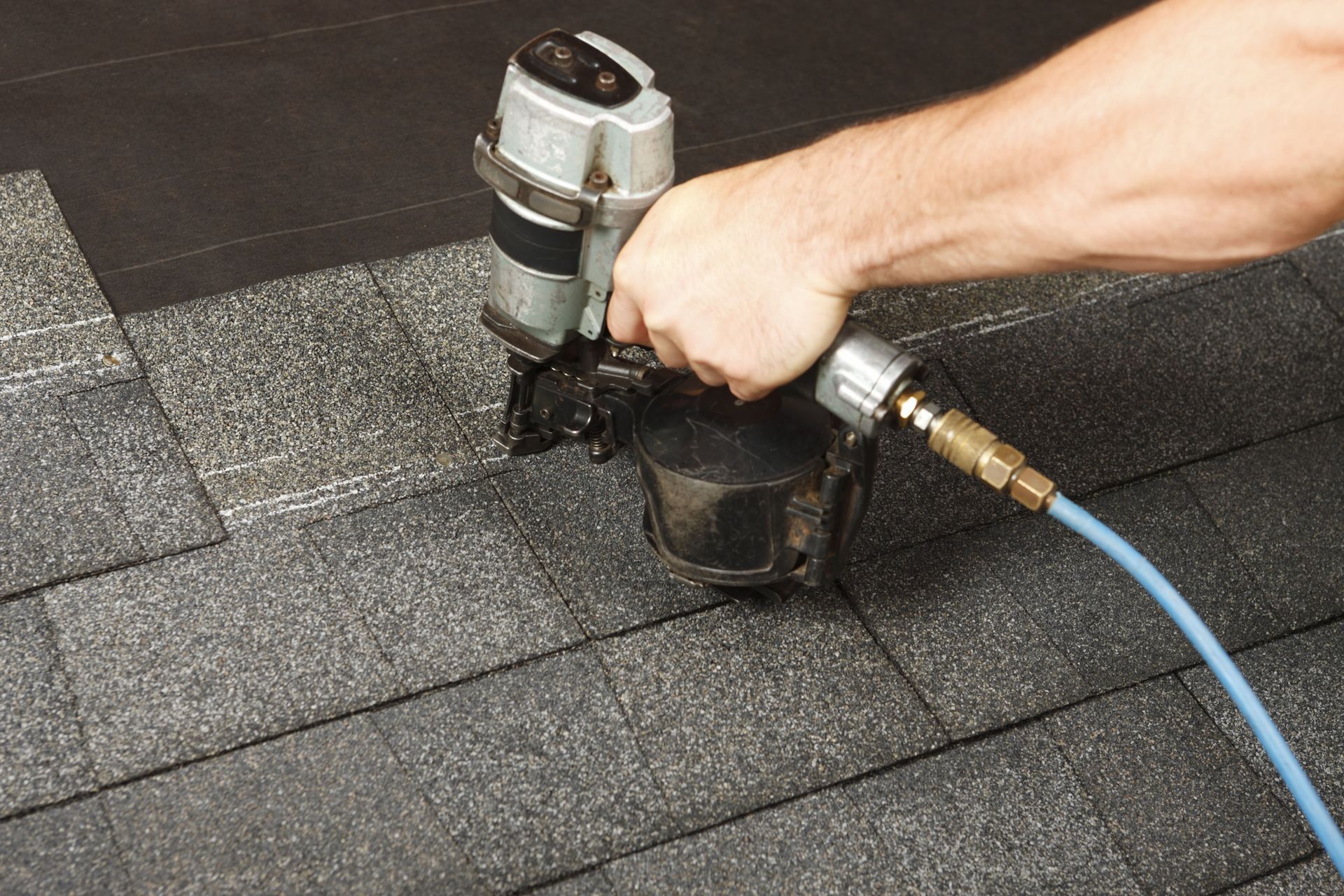
Once the inspection is complete, the findings are carefully reviewed to determine which option offers the greatest value. When damage is isolated, repairs can restore the roof's performance while preserving much of the existing system. Replacing damaged shingles, repairing flashing, sealing vulnerable areas, and correcting minor leaks often extend the roof's lifespan without the expense of a full replacement.
The recommendation also considers the homeowner's long-term goals. Someone who is planning to remain in the home for many years may benefit from replacing a roof that is approaching the end of its lifespan, while another homeowner with a relatively new roof may find that targeted repairs provide excellent value without unnecessary costs.
In other situations, replacement provides better long-term protection. Multiple leaks, extensive material deterioration, repeated repair history, or widespread storm damage may indicate that investing in a new roofing system will reduce future maintenance costs while improving reliability. A knowledgeable roofing contractor explains these considerations so homeowners understand the reasoning behind the recommendation.
Providing Clear Expectations for the Project
An inspection should conclude with a straightforward explanation of the roof's condition and the work being recommended. Homeowners benefit from understanding which areas require immediate attention, which concerns can be monitored, and what timeline makes the most sense for completing repairs or replacement.
A detailed discussion also allows homeowners to ask questions about the scope of work, estimated completion time, warranty coverage, and ongoing maintenance. Having a clear understanding of the project before the roofing contractor begins work helps set realistic expectations and reduces uncertainty throughout the process.
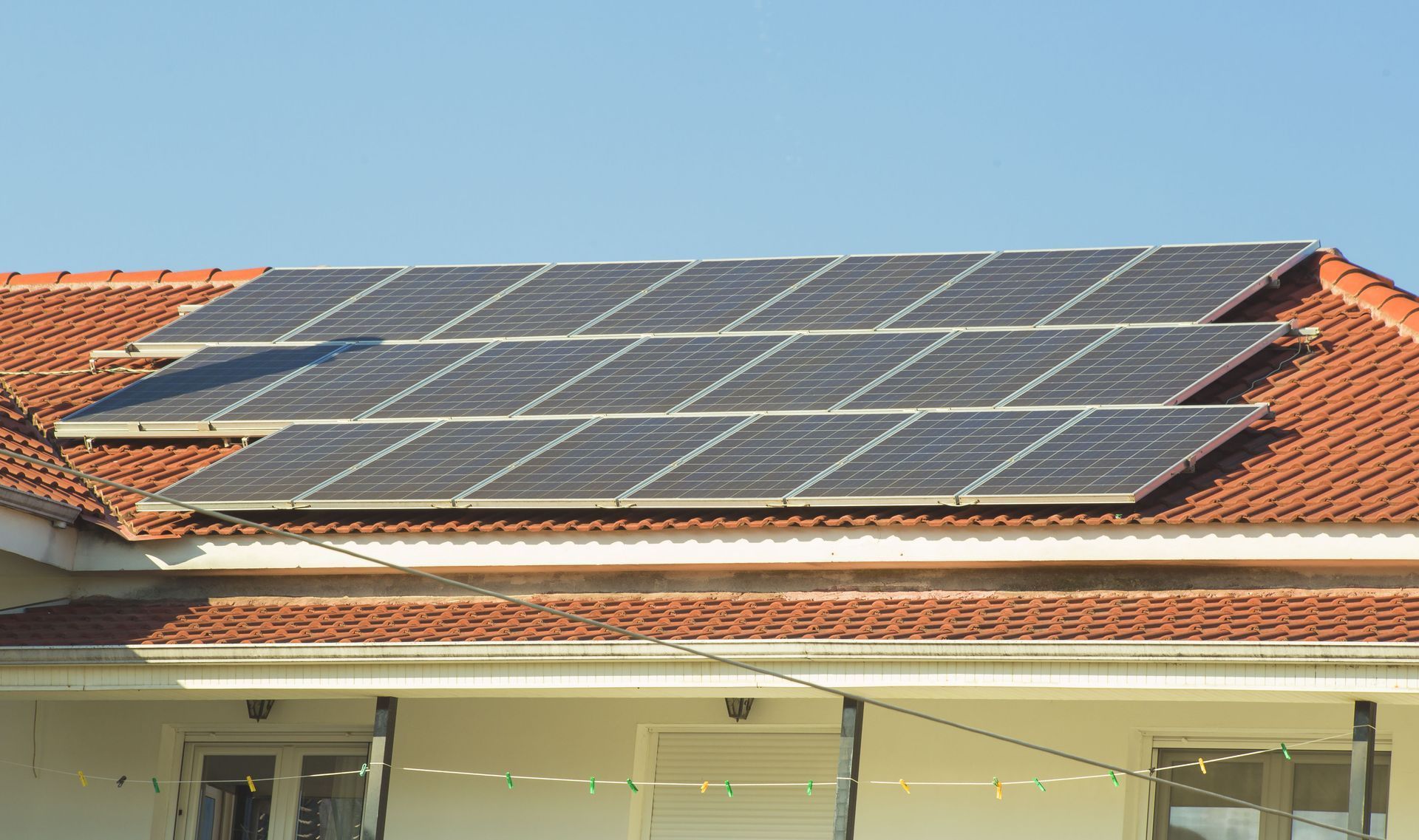
Professional contractors also discuss available roofing materials, expected project duration, warranty coverage, and maintenance recommendations after the work is complete. Whether the home has asphalt shingles, metal roofing, tile, flat roofing, foam roofing, or another system, selecting appropriate materials and quality workmanship helps maximize the roof's performance for years to come.
Choosing an experienced roofing contractor like S & R Roofing means receiving an honest evaluation based on the actual condition of your roof rather than assumptions. A thorough inspection helps identify hidden issues, determine whether repairs are still appropriate, and recommend replacement only when necessary. By understanding the evaluation process, homeowners can make confident decisions that protect both their property and their long-term investment.